_edited.png)
_edited_edited_edited.png)
What is Acute Lymphoblastic Leukemia?

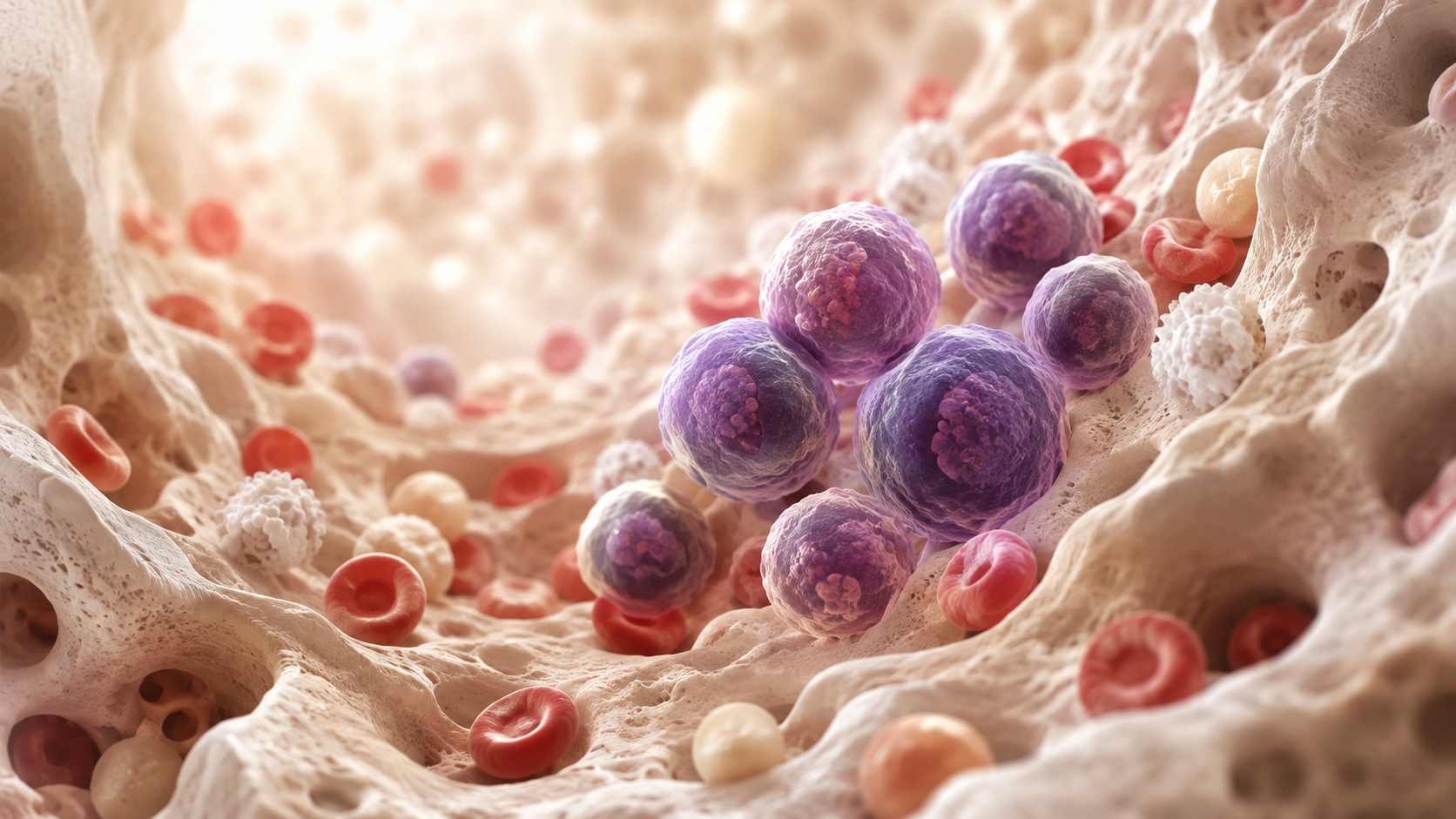
Acute lymphoblastic leukemia, commonly referred to as "ALL," is a type of fast-growing blood cancer that requires prompt treatment. Blood is composed of various types of cells produced in the bone marrow, the central part of your bones.
In individuals with ALL, the bone marrow produces abnormal blood cells instead of the normal ones. These abnormal cells proliferate uncontrollably, entering the bloodstream and potentially accumulating in various parts of the body.
As a result of the abnormal blood cell production, the body lacks the normal blood cells it needs, leading to various symptoms.
What are the Symptoms of ALL?
The most common symptoms of ALL include:
Feeling very tired and weak
Bleeding or bruising more easily than normal
Increased susceptibility to infections
Is There a Test for ALL?
Yes, there are tests available to diagnose ALL. Your healthcare provider will conduct a thorough examination and may perform:
Blood tests
Bone marrow biopsy – A small sample of bone marrow is examined under a microscope to check for the presence of ALL cells.
How is ALL Treated?
Treatment for ALL typically consists of three phases:
1. Induction of Remission
This initial phase lasts about four weeks, during which patients usually remain hospitalized and receive chemotherapy. Chemotherapy involves medications that kill cancer cells or inhibit their growth. Depending on the specific type of ALL, additional treatments such as immune therapy or targeted therapy may also be administered.
2. Consolidation/Intensification Therapy
This phase lasts several months and involves more chemotherapy, administered at lower doses than during the induction phase. Many patients do not need to stay overnight in the hospital during this treatment.
3. Maintenance Therapy
Maintenance therapy may last two years or longer, involving monthly chemotherapy sessions and additional medications taken on specific days. Most patients can return to their normal activities during this phase.
What Happens After Treatment?
After completing treatment, your doctor will schedule regular follow-ups to monitor for any signs of cancer recurrence. These follow-ups may include discussions with your doctor, physical exams, and blood tests. Occasionally, a bone marrow biopsy may also be necessary.
What if the ALL Comes Back?
In the event of a recurrence, further treatment options may include additional chemotherapy, immune therapy, radiation therapy, or a bone marrow transplant (also known as a stem cell transplant). This procedure replaces damaged bone marrow cells with healthy donor cells, which may come from:
Related donors with matching blood types
Unrelated donors with matching blood types
Umbilical cord blood from newborns that matches your blood type
What Else Should I Do?
It is crucial to adhere to your doctor's instructions regarding visits and tests. Communicate openly with your healthcare team about any side effects or concerns that arise during treatment.
Deciding on treatment options for ALL involves many choices. Always express your feelings about a treatment and ask the following questions:
What are the benefits of this treatment? Will it help me live longer or alleviate symptoms?
What are the risks associated with this treatment?
Are there alternative options available?
What are the consequences of not undergoing this treatment?


Comments