_edited.png)
_edited_edited_edited.png)
What is Chronic Lymphocytic Leukaemia (CLL)?

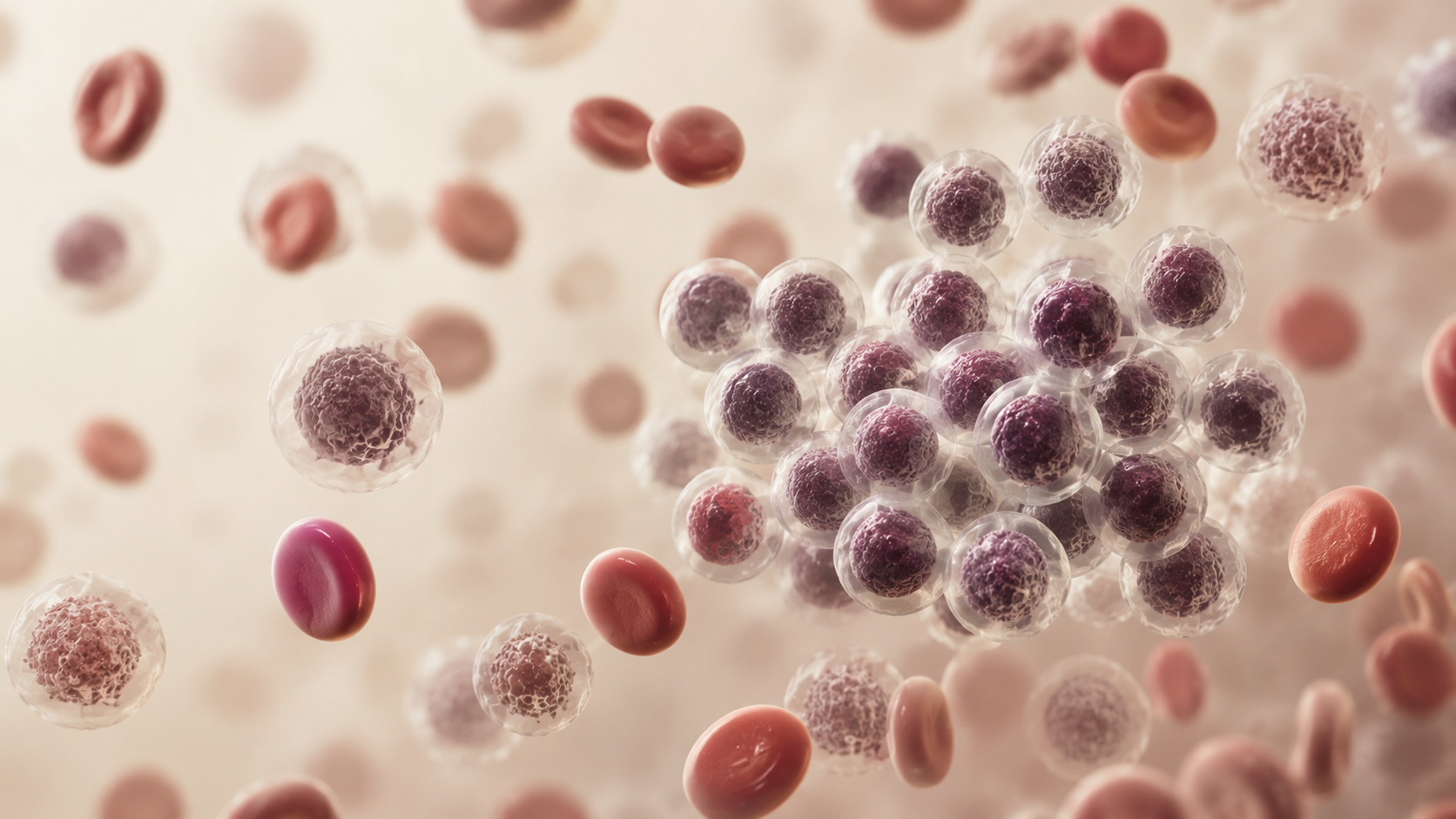
Chronic lymphocytic leukaemia, or CLL, is a blood cancer that affects lymphocytes, a type of white blood cell. It usually develops slowly and is often discovered on a routine blood test before symptoms appear.
CLL cells can build up in the blood, bone marrow, lymph nodes and spleen. Over time, they may interfere with the production and function of healthy blood cells.
Possible signs and symptoms
Many people have no symptoms at diagnosis. When symptoms develop, they may include persistent tiredness, painless swollen lymph nodes, repeated infections, unexplained weight loss, fever or drenching night sweats.
Anaemia or low platelets can also develop and may cause breathlessness, weakness, easy bruising or bleeding.
How is CLL diagnosed?
A full blood count may show an increased lymphocyte count. Flow cytometry is used to identify the characteristic abnormal B cells and confirm the diagnosis.
Other blood tests, genetic or molecular tests, imaging and occasionally a bone marrow biopsy may be used to assess the disease and plan treatment.
Does CLL always need immediate treatment?
Not always. If CLL is stable and not causing significant symptoms or complications, active monitoring may be safer than starting treatment immediately. This is often called watchful waiting or active surveillance.
Monitoring includes scheduled consultations, examinations and blood tests. Treatment is considered if the disease progresses, causes troublesome symptoms or affects healthy blood-cell production.
Treatment and ongoing care
Treatment is personalised according to disease features, symptoms, age, other health conditions and previous therapy. Options can include targeted medicines, antibody-based treatment, chemotherapy in selected situations and stem cell transplantation for a small group of patients.
CLL can increase susceptibility to infection, so fever or other signs of infection should be reported promptly. Follow-up continues during treatment and remission because treatment may need to change if the disease returns.
When to seek medical advice
Contact your treating team promptly for fever, rapidly enlarging lymph nodes, unusual bleeding, worsening breathlessness or a sudden decline in wellbeing. Seek emergency care for severe symptoms.
Speak to a clinical haematologist
Ray of Hope Haematology provides specialist assessment and personalised care for blood disorders at Netcare Olivedale Hospital in Randburg. Contact the practice to request a consultation.
This article provides general information and does not replace medical advice, diagnosis or treatment from a qualified healthcare professional.


Comments