_edited.png)
_edited_edited_edited.png)
What is Hodgkin Lymphoma?

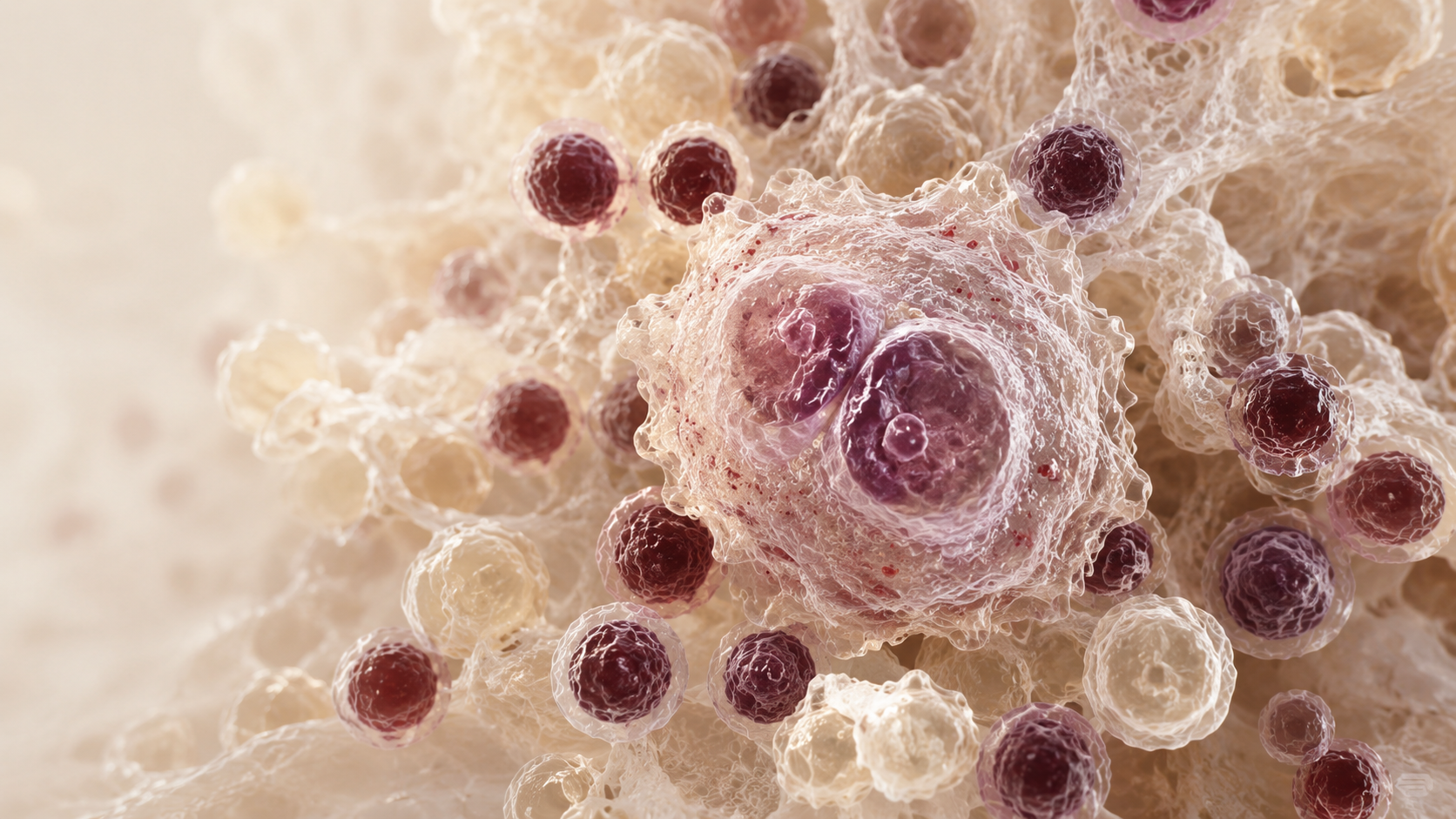
Hodgkin lymphoma is a cancer of lymphocytes, white blood cells that form part of the immune system. Abnormal cells usually collect in lymph nodes and may spread through the lymphatic system.
The disease can occur at different ages. Modern treatment is highly effective for many patients, but the treatment plan must be based on the lymphoma type, stage and individual health factors.
Signs and symptoms
A common first sign is a painless swollen lymph node, often in the neck, above the collarbone, under the arm or in the groin. Enlarged nodes in the chest may cause coughing, breathlessness or chest discomfort.
Some people also experience persistent fever, drenching night sweats, unexplained weight loss, itching or marked tiredness.
How is Hodgkin lymphoma diagnosed?
A lymph node biopsy is required to confirm the diagnosis and identify the type of Hodgkin lymphoma. Blood tests assess blood counts, inflammation and organ function.
PET-CT or CT imaging helps determine the stage and provides a baseline for assessing response. A bone marrow biopsy is needed only in selected cases.
Treatment options
Treatment commonly includes combination chemotherapy. Radiotherapy may be added in certain stages or clinical situations. The regimen is selected to achieve disease control while reducing avoidable short- and long-term effects.
If lymphoma does not respond or returns, further chemotherapy, targeted or immune therapy and stem cell transplantation may be considered.
Long-term follow-up
Follow-up checks for recurrence and supports recovery after treatment. It may also include screening for late effects involving the heart, lungs, thyroid, fertility or the risk of a second cancer, depending on the treatment received.
Discuss fertility preservation before treatment when relevant, and keep an accurate record of your treatment for future healthcare visits.
When to seek medical advice
Arrange medical assessment for a persistent or enlarging lymph node, unexplained fever, drenching night sweats or weight loss. Severe breathing difficulty or chest pain requires urgent care.
Speak to a clinical haematologist
Ray of Hope Haematology provides specialist assessment and personalised care for blood disorders at Netcare Olivedale Hospital in Randburg. Contact the practice to request a consultation.
This article provides general information and does not replace medical advice, diagnosis or treatment from a qualified healthcare professional.


Comments