_edited.png)
_edited_edited_edited.png)
What is Diffuse Large B-Cell Lymphoma (DLBCL)?

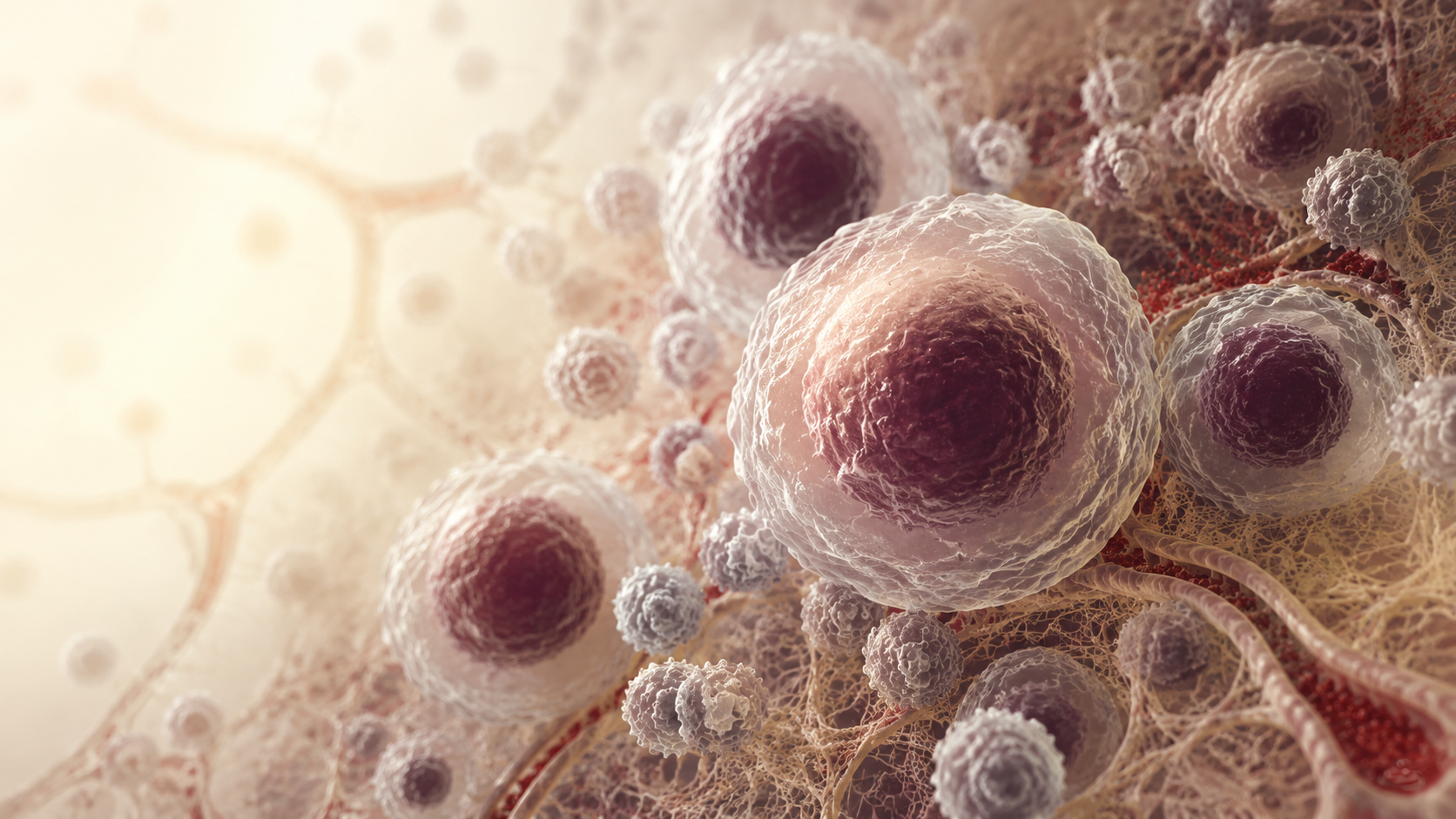
Diffuse large B-cell lymphoma, known as DLBCL, is an aggressive form of non-Hodgkin lymphoma. It begins in B lymphocytes, white blood cells that normally help the immune system fight infection.
DLBCL can grow quickly, so timely diagnosis and treatment are important. Although it is fast-growing, many people respond well to treatment and it may be curable.
Common symptoms
The most common sign is a rapidly enlarging, usually painless lymph node in the neck, armpit, groin or abdomen. DLBCL can also develop outside lymph nodes and symptoms depend on the organ involved.
Other possible symptoms include unexplained fever, drenching night sweats, weight loss, tiredness, reduced appetite or abdominal discomfort.
Diagnosis and staging
Diagnosis requires a biopsy so that a pathologist can examine the affected tissue and identify the lymphoma subtype. Blood tests provide information about blood counts and organ function.
PET-CT or CT imaging is used to establish the extent of disease. In selected cases, additional molecular tests, a bone marrow biopsy or other investigations help guide treatment.
How is DLBCL treated?
First-line care usually combines antibody treatment with chemotherapy. The exact regimen and number of cycles depend on the stage, biological features, age and general health. Radiotherapy may be recommended in selected situations.
Your team will monitor response during or after treatment. If lymphoma does not respond or later returns, options may include different drug combinations, targeted or immune therapies, stem cell transplantation or CAR T-cell therapy, depending on the individual case.
Follow-up after treatment
Follow-up usually includes consultations, physical examinations and blood tests. Imaging is arranged when clinically appropriate. Tell your team about new swelling, fever, night sweats, unexplained weight loss or persistent symptoms.
Follow-up also supports recovery from treatment and management of longer-term effects.
When to seek medical advice
A rapidly growing lump, unexplained persistent fever or worsening symptoms should be assessed promptly. Seek urgent care for severe breathlessness, chest pain, confusion or other acute symptoms.
Speak to a clinical haematologist
Ray of Hope Haematology provides specialist assessment and personalised care for blood disorders at Netcare Olivedale Hospital in Randburg. Contact the practice to request a consultation.
This article provides general information and does not replace medical advice, diagnosis or treatment from a qualified healthcare professional.


Comments