_edited.png)
_edited_edited_edited.png)
What is Polycythaemia Vera (PV)?

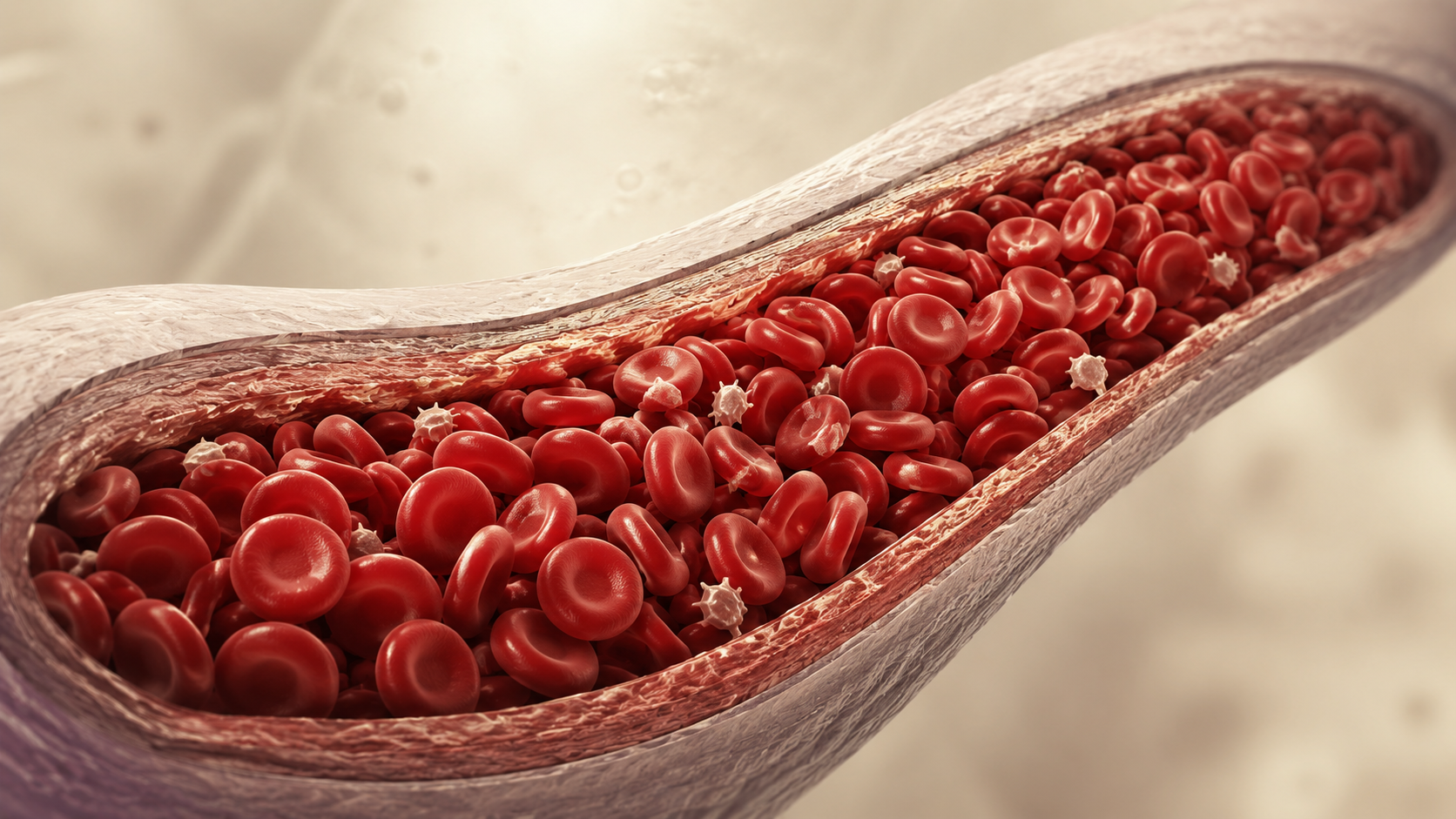
Polycythaemia vera, or PV, is a chronic myeloproliferative neoplasm in which the bone marrow makes too many red blood cells. White blood cells and platelets may also be increased.
The excess cells can make blood more viscous and raise the risk of clots. With regular monitoring and appropriate treatment, many people can keep the condition under control.
Symptoms and complications
PV may be found on a routine blood test before symptoms develop. Possible symptoms include headaches, dizziness, tiredness, blurred vision, night sweats, itching after a warm bath or shower, burning redness in the hands or feet, gout and discomfort from an enlarged spleen.
The main complication is a blood clot, which can cause deep-vein thrombosis, pulmonary embolism, heart attack or stroke. Less commonly, PV can progress to myelofibrosis or acute leukaemia.
How is PV diagnosed?
Testing starts with a full blood count and measurement of haemoglobin or haematocrit. Most people with PV have a JAK2 gene change, so molecular testing is an important part of assessment.
Erythropoietin levels, oxygen assessment and other tests help distinguish PV from causes such as lung disease, smoking, sleep apnoea or dehydration. A bone marrow biopsy may also be recommended.
Treatment options
Treatment aims to lower clotting risk and control symptoms. Phlebotomy removes blood at intervals to reduce the red-cell concentration. Low-dose aspirin may be used when clinically appropriate.
Patients at higher risk, or those whose counts and symptoms are not controlled by phlebotomy alone, may need cytoreductive treatment such as hydroxyurea, interferon-based therapy or other targeted medicines. The choice depends on age, pregnancy plans, clotting history, symptoms and treatment tolerance.
Ongoing care
Regular blood counts guide treatment. It is also important to manage smoking, blood pressure, cholesterol, diabetes and other cardiovascular risks.
Tell your haematologist about new itching, gout, abdominal fullness, bleeding, worsening fatigue or changes in circulation.
When to seek medical advice
Symptoms of a possible clot require emergency care, including sudden chest pain, shortness of breath, one-sided weakness, difficulty speaking, new visual loss or a painful swollen leg.
Speak to a clinical haematologist
Ray of Hope Haematology provides specialist assessment and personalised care for blood disorders at Netcare Olivedale Hospital in Randburg. Contact the practice to request a consultation.
This article provides general information and does not replace medical advice, diagnosis or treatment from a qualified healthcare professional.


Comments