_edited.png)
_edited_edited_edited.png)
What is Immune Thrombocytopenia (ITP)?

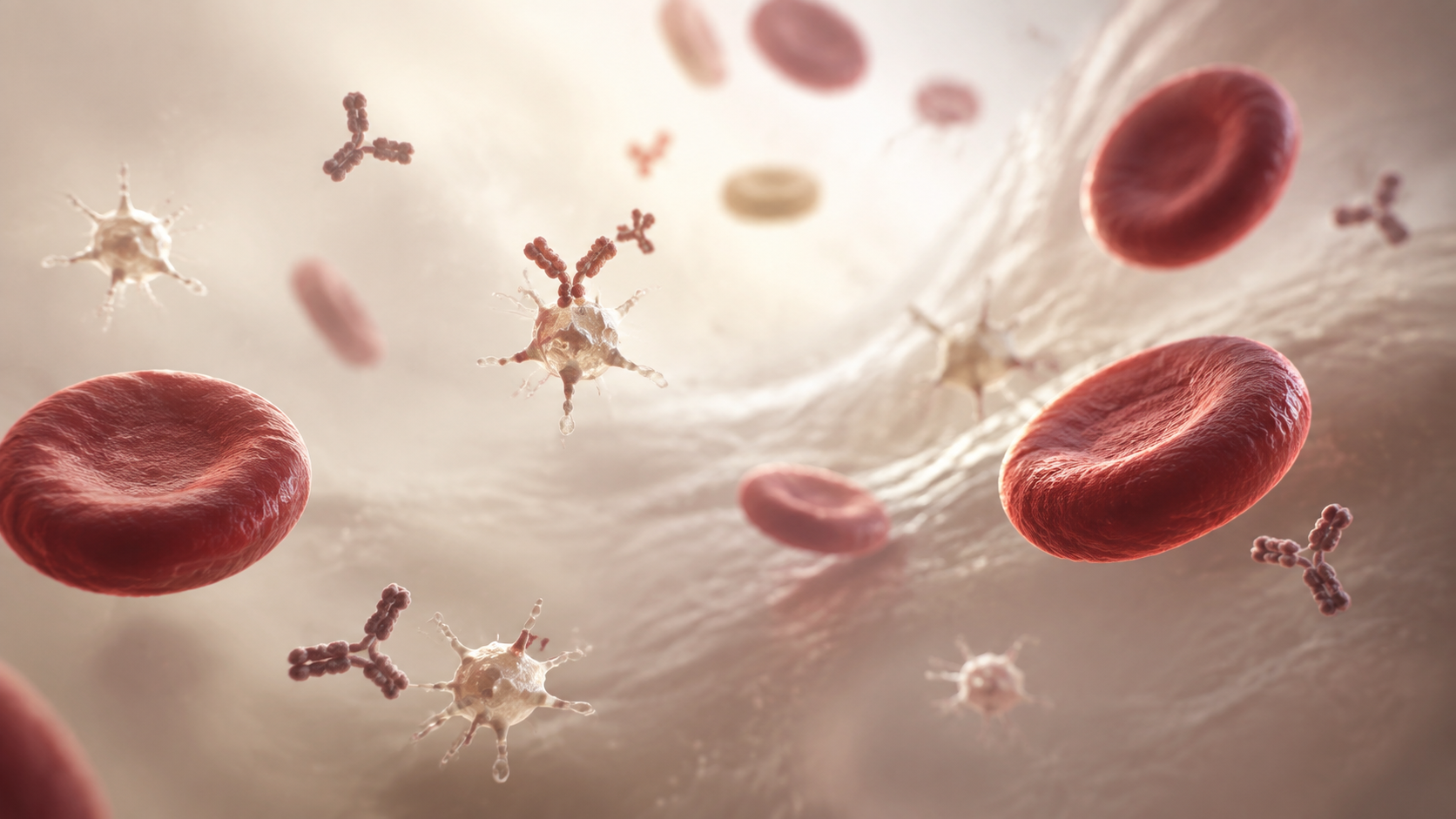
Immune thrombocytopenia, or ITP, is an immune condition that causes a low platelet count. Platelets help the blood clot, so a very low count can increase the risk of bruising and bleeding.
ITP affects adults and children. It may follow an infection in children and often improves, while adults may have a more persistent condition. The severity is determined by symptoms, bleeding risk and the platelet count rather than the count alone.
Symptoms of ITP
Some people have no symptoms. Others may develop easy bruising, pinpoint red or purple spots on the skin, nosebleeds, bleeding gums, blood-filled blisters in the mouth or unusually heavy menstrual bleeding.
Serious internal bleeding is uncommon but requires urgent treatment.
How is ITP diagnosed?
A full blood count confirms thrombocytopenia, and a blood smear helps check platelet appearance and exclude laboratory error or other blood abnormalities.
There is no single test that proves ITP. Diagnosis involves ruling out other causes of a low platelet count, including medicines, infections, liver disease, autoimmune conditions and other bone marrow disorders. A bone marrow examination is needed only in selected cases.
When is treatment needed?
Mild ITP without significant bleeding may only need monitoring. Treatment is more likely when the platelet count is very low, bleeding is present or a procedure increases bleeding risk.
Initial treatment may include corticosteroids or intravenous immunoglobulin when a faster increase is needed. Persistent ITP may be managed with medicines that stimulate platelet production, antibody therapy, other immune-suppressing medicines or, in selected cases, removal of the spleen.
Living with ITP
Ask your treating team before taking aspirin, anti-inflammatory medicines, anticoagulants or supplements that may affect bleeding. Activity advice depends on the platelet count and should be personalised.
If you are pregnant or planning pregnancy, discuss this early with your haematologist and obstetric team so that monitoring and delivery planning can be coordinated.
When to seek medical advice
Seek emergency care for a severe or persistent headache, neurological symptoms, vomiting blood, black stools, uncontrolled bleeding or significant injury. Report new or worsening bleeding promptly.
Speak to a clinical haematologist
Ray of Hope Haematology provides specialist assessment and personalised care for blood disorders at Netcare Olivedale Hospital in Randburg. Contact the practice to request a consultation.
This article provides general information and does not replace medical advice, diagnosis or treatment from a qualified healthcare professional.


Comments